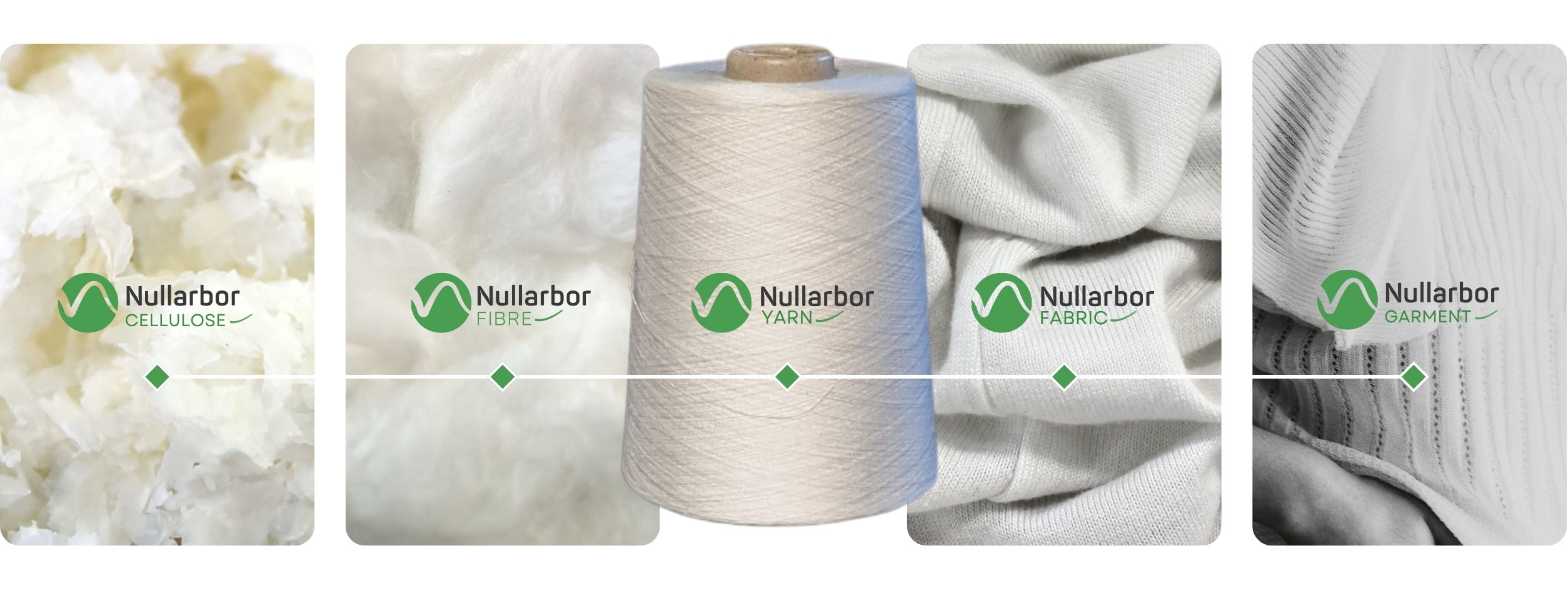
Born from scientific rigour and a bold vision for sustainability, Nullarbor™ uses microbial cellulose technology to deliver a high-performance, forest-friendly lyocell.
What is Nullarbor Fibre?
CREATED BY NATURE. REFINED BY SCIENCE.
Our fibre is made from microbial cellulose: a pure, structural form of cellulose grown by fermentation, in a soilless environment using agricultural by-products.
Unlike traditional man-made cellulosics, Nullarbor cellulose requires no trees, no arable land, and no chemical dissolution. The cellulose is produced by microorganisms through a sustainable fermentation process.
Once processed, Nullarbor fibre can be spun into yarn or blended with other preferred materials. The result: a high-performing, low-impact textile made from the world's most abundant biopolymer.
Revolutionary Technology
FERMENTATION, NOT FORESTRY
Nullarbor technology uses microorganisms to convert agricultural byproducts into microbial cellulose, a tree-free alternative to wood pulp. The cellulose is then transformed into lyocell fibre using a standard closed-loop process, producing a stronger fibre while reducing fashion’s reliance on wood pulp, especially from endangered forests.
Fibre Impact
A RADICALLY RENEWABLE SOLUTION
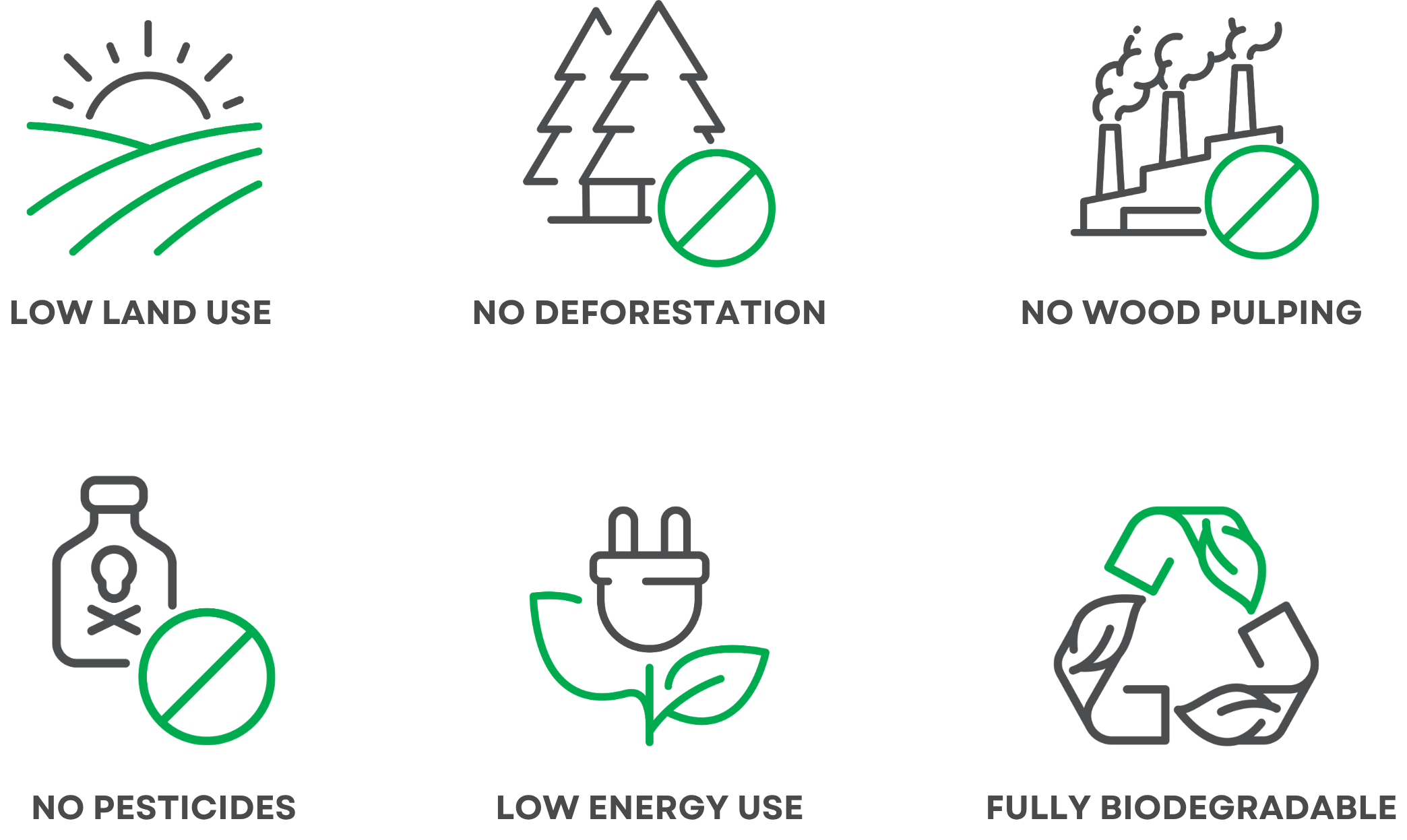
As a biobased fibre produced from fermentation, Nullarbor™ has the following advantages compared to traditional man-made cellulosics:
Proven Applications
MADE TO MOVE ACROSS MARKETS
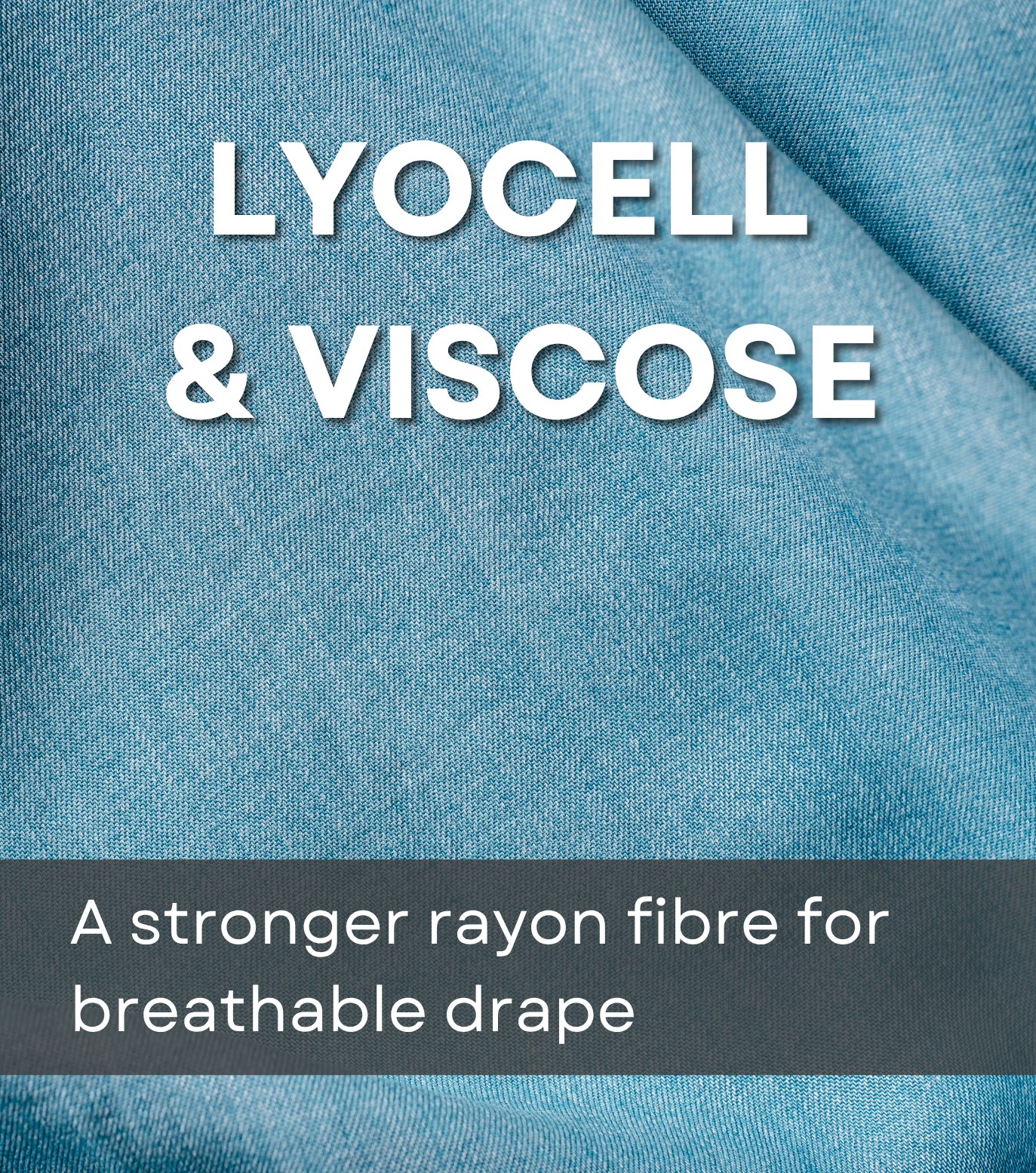
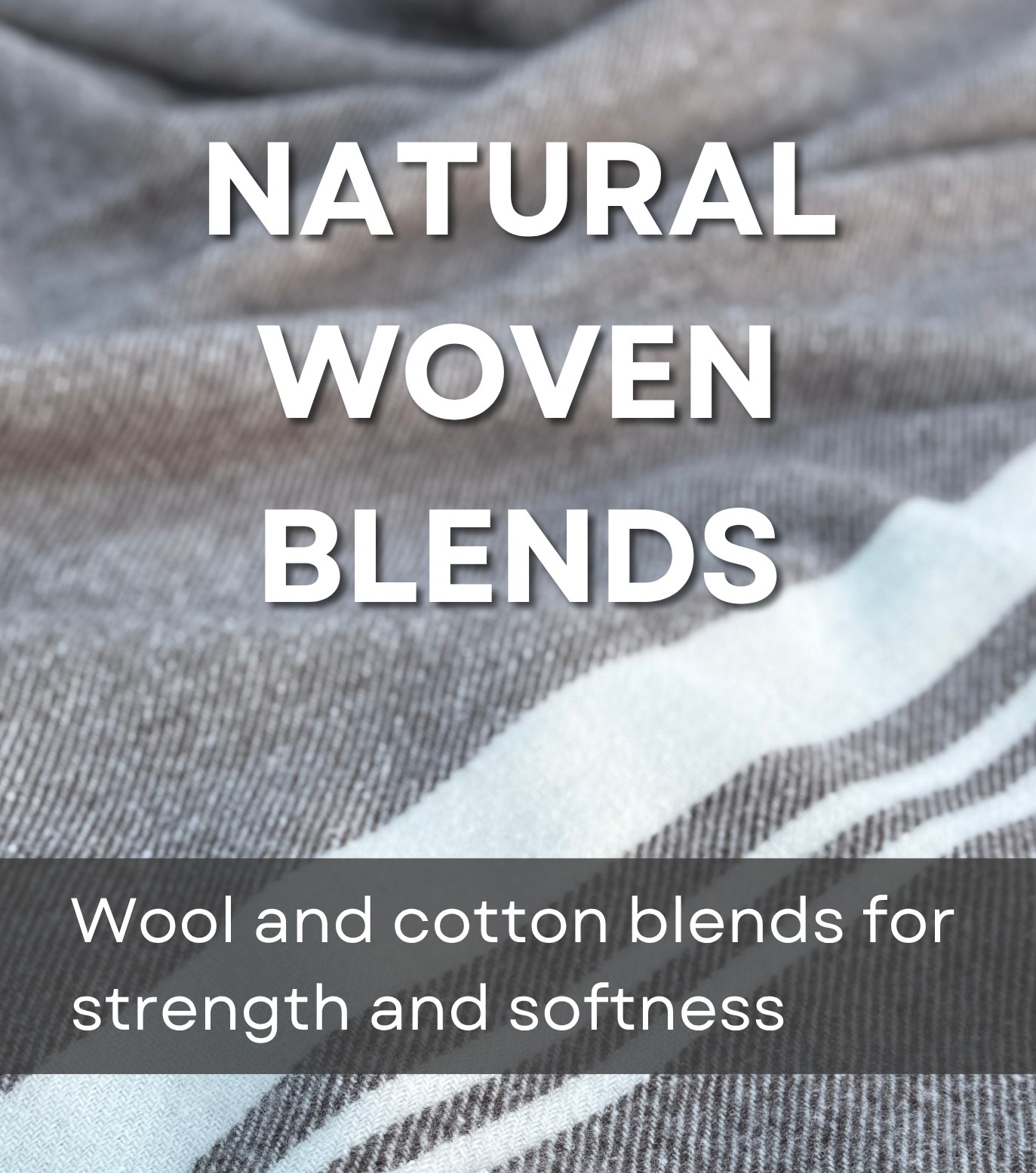
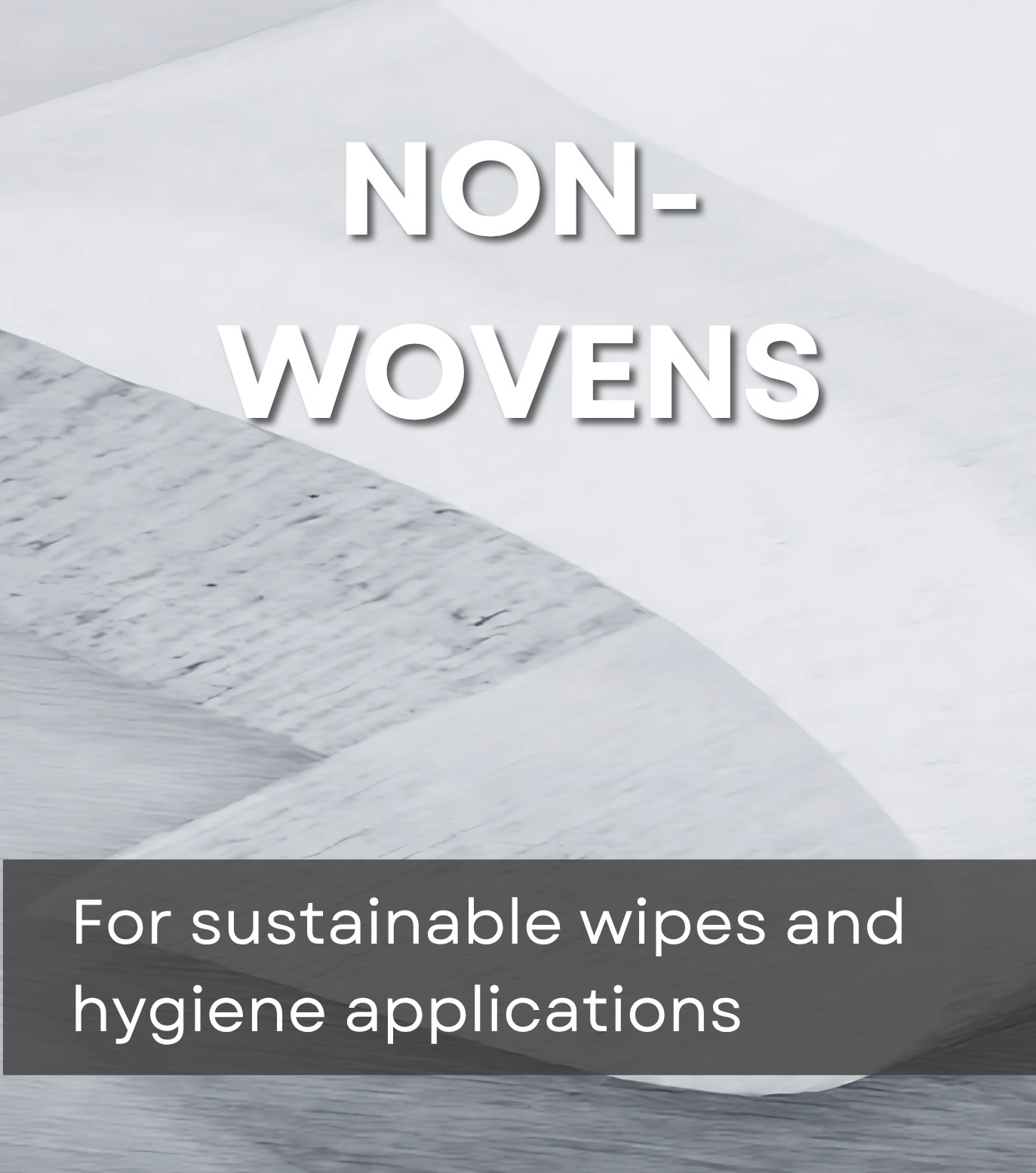
Our fibre offers a clean, traceable alternative for brands seeking performance without deforestation. Nullarbor's fibre is designed to perform across multiple formats. It can be spun into yarns suitable for a wide range of woven and non-woven applications, including:
A New Branch in the Fibre Family Tree
NULLARBOR™ REDEFINES WHAT IT MEANS TO BE A CELLULOSIC FIBRE
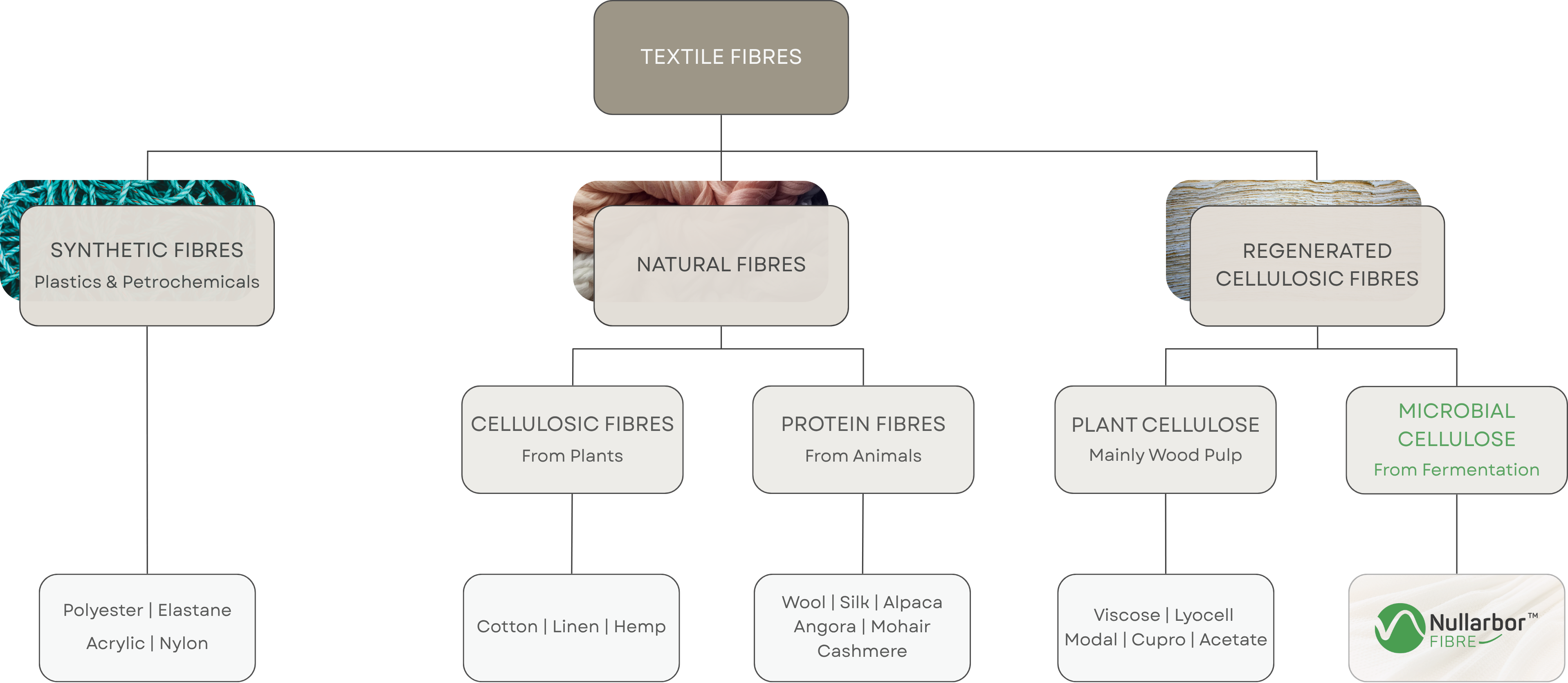
Conventional cellulosic fibres come from trees. Nullarbor™ is different: we grow our cellulose through microbial fermentation, delivering high quality cellulose for lyocell fibres without the deforestation, land use, or toxic chemicals. Here’s how Nullarbor fits into the global fibre landscape:
Technical Specifications
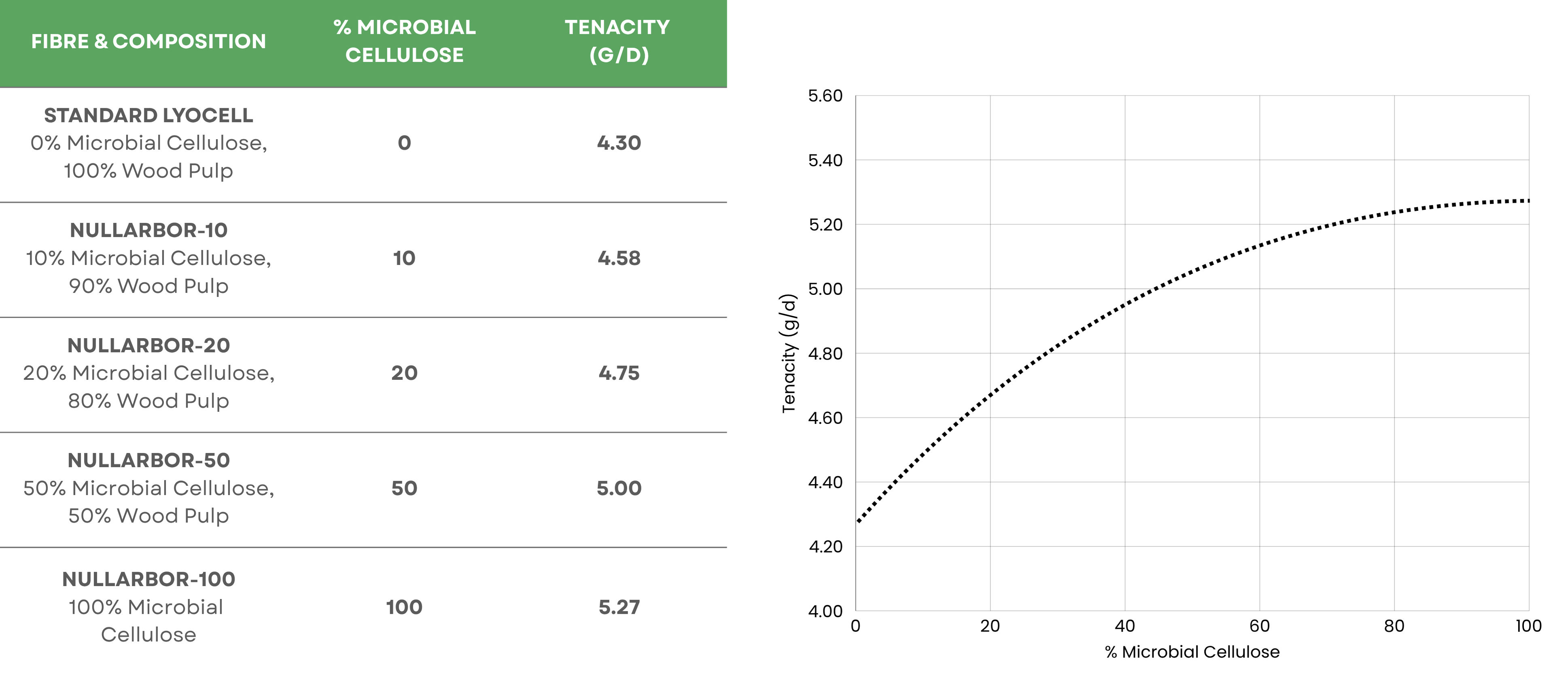
Nullarbor™ is 30% stronger* than conventional lyocell fibre and can be produced in a variety of lengths and denier.
*Based on tenacity testing for Nullarbor-75 at 0.7 denier (tenacity 5.7)